
Introduction
A few years ago, paying for something with crypto felt experimental, even risky. Today, it’s quietly becoming routine. From freelancers getting paid in digital dollars to global companies settling invoices in minutes, stablecoin payments news is no longer niche—it’s shaping how money actually moves.
What’s driving this shift isn’t hype alone. It’s speed, cost savings, and a growing frustration with slow, expensive traditional payment rails. Stablecoins, designed to hold steady value, are stepping into a role banks once dominated.
In reality, whether you’re a business owner, investor, or simply curious about where finance is headed, understanding stablecoin payments now can save you time, money, and future headaches.
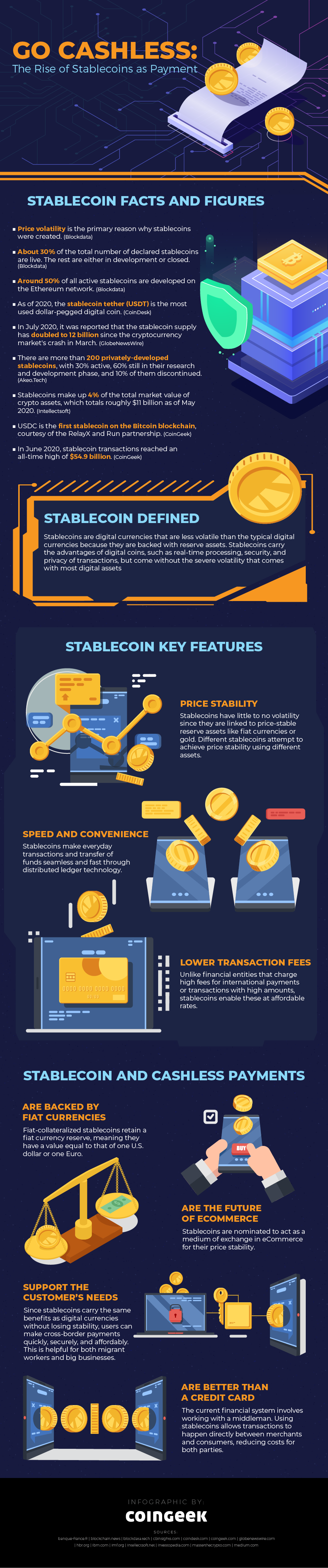
Table of Contents
What Are Stablecoin Payments?
Why Stablecoin Payments News Is Exploding in 2026
How Stablecoins Are Used for Payments Today
Stablecoin Payments News in Global Markets
Risks and Challenges Behind Stablecoin Payments
Regulation and Compliance: The Real Turning Point
Stablecoin Payments vs Traditional Payment Systems
The Future Outlook for Stablecoin Payments
Frequently Asked Questions
Conclusion
What Are Stablecoin Payments?

Stablecoin payments refer to transactions made using cryptocurrencies that are pegged to stable assets, usually fiat currencies like the US dollar or euro. Unlike Bitcoin or Ethereum, stablecoins aim to maintain a predictable value.
Definition and Core Purpose
At their core, stablecoins are designed to solve volatility. A merchant accepting $100 in a stablecoin today expects it to still be worth $100 tomorrow. That reliability makes them practical for everyday payments.
Types of Stablecoins Used in Payments
Not all stablecoins work the same way. The main categories include:
• Fiat-backed stablecoins (e.g., US dollar reserves)
• Crypto-collateralized stablecoins
• Algorithmic stablecoins (less common for payments)
Each type carries different risks and trust assumptions, which frequently appear in stablecoin payments news discussions.
Why Stablecoin Payments News Is Exploding in 2026
The surge in attention isn’t random. Multiple forces are colliding at once.
Rising Costs of Traditional Payments
Credit card fees average 2–4%. International wire transfers can take days and cost even more. Stablecoins often settle in minutes for pennies.
Global Freelance and Remote Work Boom
Millions of people now work across borders. Stablecoin payments bypass currency conversion delays and banking restrictions.
Institutional Adoption
Major fintech firms and payment processors are integrating stablecoins behind the scenes. This shift is a recurring theme in stablecoin payments news headlines.
Consumer Trust Is Growing
While skepticism remains, real-world usage builds confidence. Once people experience faster settlements, it’s hard to go back.
How Stablecoins Are Used for Payments Today
Stablecoin payments aren’t theoretical anymore. They’re happening every day.
Everyday Consumer Payments
In some regions, people pay rent, groceries, or utilities using stablecoins, especially where local currencies are unstable.
Business-to-Business Settlements
Companies are using stablecoins to:
• Pay international suppliers
• Settle invoices instantly
• Reduce foreign exchange exposure
E-commerce and Digital Services
Online platforms increasingly accept stablecoins, particularly for digital goods and subscriptions.
Real-Life Example
A software developer in Argentina gets paid in a dollar-pegged stablecoin. Instead of losing value to inflation or waiting days for a bank transfer, they receive funds instantly and preserve purchasing power. Stories like this dominate stablecoin payments news cycles.
Stablecoin Payments News in Global Markets
Adoption isn’t uniform. Geography matters.
Emerging Markets Leading the Way
Countries with high inflation or strict capital controls see faster adoption. Stablecoins act as a financial lifeline.
Developed Economies Catching Up
In the US and Europe, stablecoin payments are often invisible to users, embedded within fintech apps.
Cross-Border Remittances
Stablecoins are transforming remittances by:
• Reducing fees
• Increasing transparency
• Speeding up settlement times
This use case alone explains much of the recent stablecoin payments news momentum.
Risks and Challenges Behind Stablecoin Payments
For all the optimism, risks remain—and they’re not hypothetical.
Reserve Transparency
Users rely on issuers actually holding backing assets. Any doubt can trigger panic.
Regulatory Uncertainty
Rules differ by country and are still evolving. Sudden policy changes can disrupt payment systems.
Technical and Security Risks
Smart contract bugs, wallet hacks, and network congestion are real threats.
Trust and Reputation
Once trust is broken, recovery is slow. This is why negative stablecoin payments news can spread fear quickly.
Balanced Perspective
However, traditional finance isn’t risk-free either. Bank failures, frozen accounts, and payment reversals remind users that every system has flaws.
Regulation and Compliance: The Real Turning Point
Regulation is the elephant in the room.
Why Governments Care
Stablecoins touch monetary policy, consumer protection, and financial stability.
Current Regulatory Trends
• Licensing requirements for issuers
• Reserve audits and disclosures
• AML and KYC enforcement
Clearer rules could actually accelerate adoption by increasing trust.
Impact on Payments
Once regulatory frameworks stabilize, stablecoin payments could become as normal as credit cards. Many analysts believe regulation will shape the next phase of stablecoin payments news more than technology itself.
Stablecoin Payments vs Traditional Payment Systems
Understanding the trade-offs helps cut through hype.
| Feature | Stablecoin Payments | Traditional Payments |
|---|---|---|
| Settlement Speed | Minutes | Hours to days |
| Fees | Low | Medium to high |
| Accessibility | Global | Bank-dependent |
| Reversibility | Limited | Often reversible |
| Transparency | On-chain | Opaque |
| Neither system is perfect. Instead, they’re converging, borrowing strengths from each other. |
The Future Outlook for Stablecoin Payments
Looking ahead, several trends stand out.
Deeper Integration with Banks
Banks may issue or support stablecoins directly.
Consumer-Friendly Interfaces
Users won’t even know they’re using stablecoins—it’ll just “work.”
Increased Competition
More issuers mean better services but also more scrutiny.
Long-Term Vision
If adoption continues, stablecoins could become the default settlement layer for the internet. That’s why stablecoin payments news remains one of the most closely watched topics in fintech.
Frequently Asked Questions
What makes stablecoin payments different from crypto payments?
Stablecoins reduce price volatility, making them suitable for everyday transactions.
Are stablecoin payments legal?
Legality depends on jurisdiction, but most countries allow them under specific regulations.
Can stablecoin payments replace banks?
Not entirely. They’re more likely to complement banks rather than replace them.
Are stablecoin payments safe?
They can be, but safety depends on issuer transparency, regulation, and user security practices.
Why do businesses prefer stablecoin payments?
Lower fees, faster settlements, and global reach are key reasons.
How often does stablecoin payments news change?
Rapidly. New partnerships, regulations, and technologies emerge almost weekly.
Do stablecoins impact inflation?
Indirectly. They can help individuals protect purchasing power but don’t eliminate macroeconomic inflation.
Which industries benefit most?
Freelancing, e-commerce, remittances, and SaaS companies see the biggest gains.
Conclusion
Stablecoins started as a quiet experiment. Today, they’re reshaping how value moves across the world. From faster cross-border payments to financial inclusion in unstable economies, the impact is real and growing.
At the same time, risks, regulation, and trust will determine how far this technology goes. Staying informed through reliable stablecoin payments news isn’t just smart—it’s essential for anyone navigating modern finance.
The future of payments won’t be purely digital or traditional. It’ll be a blend. And stablecoins are clearly staking their claim in that future.