Introduction
In the fast-moving world of decentralized finance, information isn’t just power—it’s protection. One wrong assumption about a protocol’s liquidity or security can cost thousands. That’s where defillama enters the conversation. If you’ve ever wondered how investors track billions locked across DeFi platforms in real time, you’re already looking in the right direction.
At its core, defillama has become one of the most trusted dashboards for monitoring total value locked (TVL), yields, chains, stablecoins, and protocol data across the decentralized finance ecosystem. But it’s more than just a number tracker. It’s a transparency engine in an industry that desperately needs clarity.
Whether you’re a beginner exploring yield farming or an experienced trader comparing Layer 2 ecosystems, understanding how to use this platform properly can sharpen your strategy—and reduce unnecessary risk.
Understanding the Role of defillama in DeFi
Decentralized finance thrives on open data. Unlike traditional finance, where institutions guard information, DeFi protocols publish everything on-chain. The challenge isn’t access—it’s interpretation.
defillama acts as a bridge between raw blockchain data and human decision-making. It aggregates information from multiple chains and protocols, presenting it in a clean, comparative format.

Two paragraphs into exploring DeFi analytics, most users realize how overwhelming raw blockchain explorers can be. Charts, transaction hashes, liquidity pools—it’s too much at once. That’s why dashboards matter. They simplify complexity without distorting the underlying data.
Instead of jumping between dozens of websites, investors can monitor:
- Total Value Locked (TVL) by protocol
- TVL by blockchain
- Stablecoin market capitalization
- Yield farming opportunities
- Decentralized exchange volumes
- Protocol revenue and fees
This single-pane overview helps users spot trends quickly.
What Is Total Value Locked (TVL)?
Definition and Why It Matters
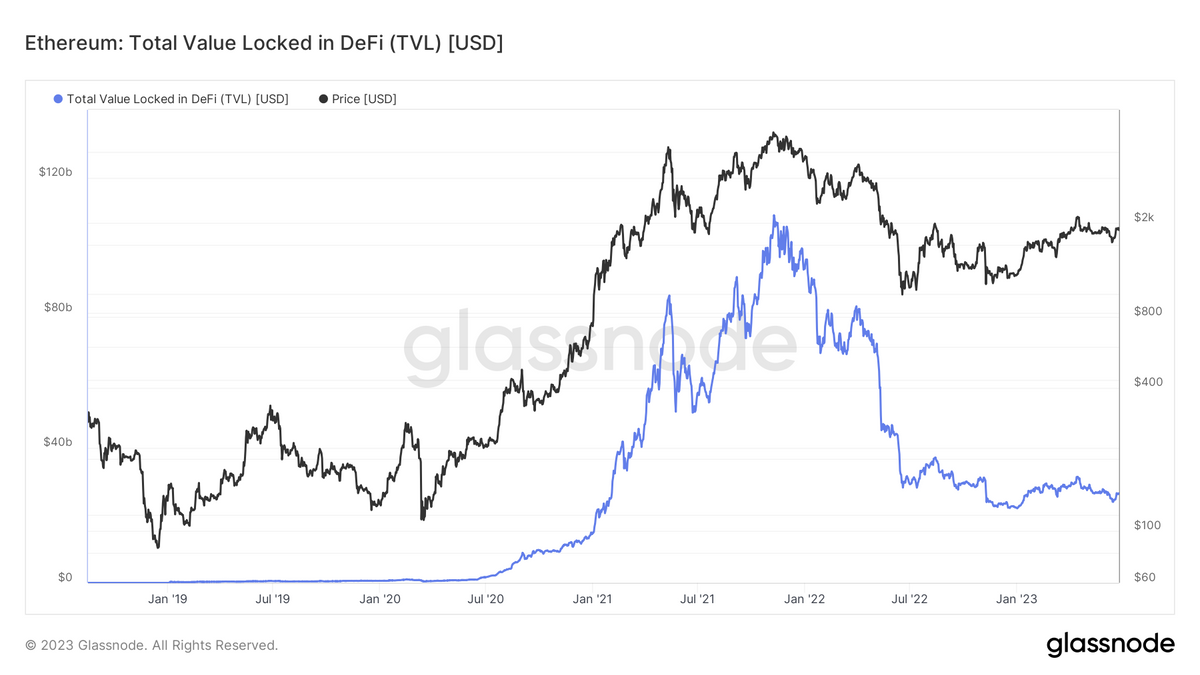
Total Value Locked refers to the total capital deposited in a DeFi protocol’s smart contracts. This includes liquidity pools, lending platforms, staking contracts, and other decentralized applications.
TVL matters because it often reflects:
- User trust
- Liquidity depth
- Protocol adoption
- Market health
However, higher TVL doesn’t automatically mean lower risk. It simply shows capital concentration.
defillama popularized TVL comparisons across chains, allowing users to analyze ecosystems like Ethereum, BNB Chain, Arbitrum, and others side by side.
How defillama Collects and Aggregates Data
Unlike centralized analytics providers, defillama sources its information directly from blockchain data and protocol integrations. Many projects submit their smart contract addresses for tracking, ensuring accuracy.
The platform:
- Verifies on-chain balances
- Tracks protocol-specific metrics
- Normalizes data across chains
- Updates dashboards in near real-time
Because the data is transparent, discrepancies are quickly identified by the community.


This open-source approach has helped it earn credibility. In a sector often criticized for opacity, transparency becomes a competitive advantage.
Exploring Chains and Ecosystems
Comparing Layer 1 and Layer 2 Networks
One of the most useful features of defillama is its chain comparison tool. Instead of guessing which ecosystem is growing, users can see capital flows across:
- Ethereum
- Solana
- Avalanche
- Polygon
- Arbitrum
- Optimism
Chain-level TVL trends often indicate where developers and liquidity providers are migrating.
Identifying Emerging Ecosystems
Rapid increases in TVL may suggest:
- Incentive programs
- Airdrop speculation
- New protocol launches
- Cross-chain liquidity migration
But sharp increases can also signal short-term farming behavior. Context always matters.
Yield Tracking and Farming Insights
DeFi users constantly search for yield. Lending protocols, staking derivatives, liquidity pools—all promise returns. But advertised APYs can fluctuate dramatically.
defillama’s yield section allows investors to:
- Compare APYs across chains
- Evaluate risk categories
- Identify stablecoin vs volatile pair returns
- Track historical yield trends
This historical perspective prevents impulsive decisions. Instead of chasing the highest yield blindly, users can examine sustainability.
Stablecoins and Market Transparency
Stablecoins form the backbone of DeFi liquidity. Monitoring their supply, issuance, and dominance is essential for understanding market direction.
The platform tracks:
- Total stablecoin market cap
- Stablecoin dominance by chain
- Minting and redemption flows
- Historical supply changes

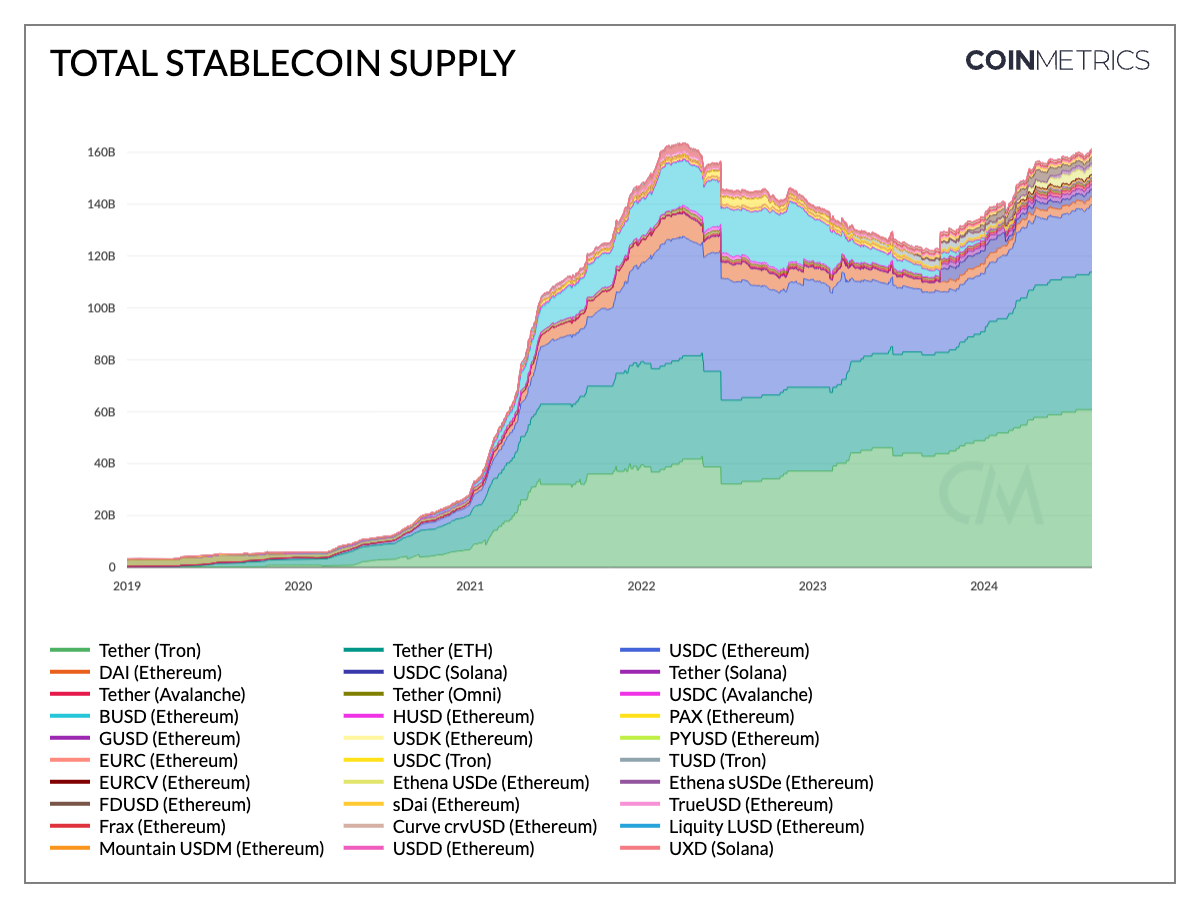
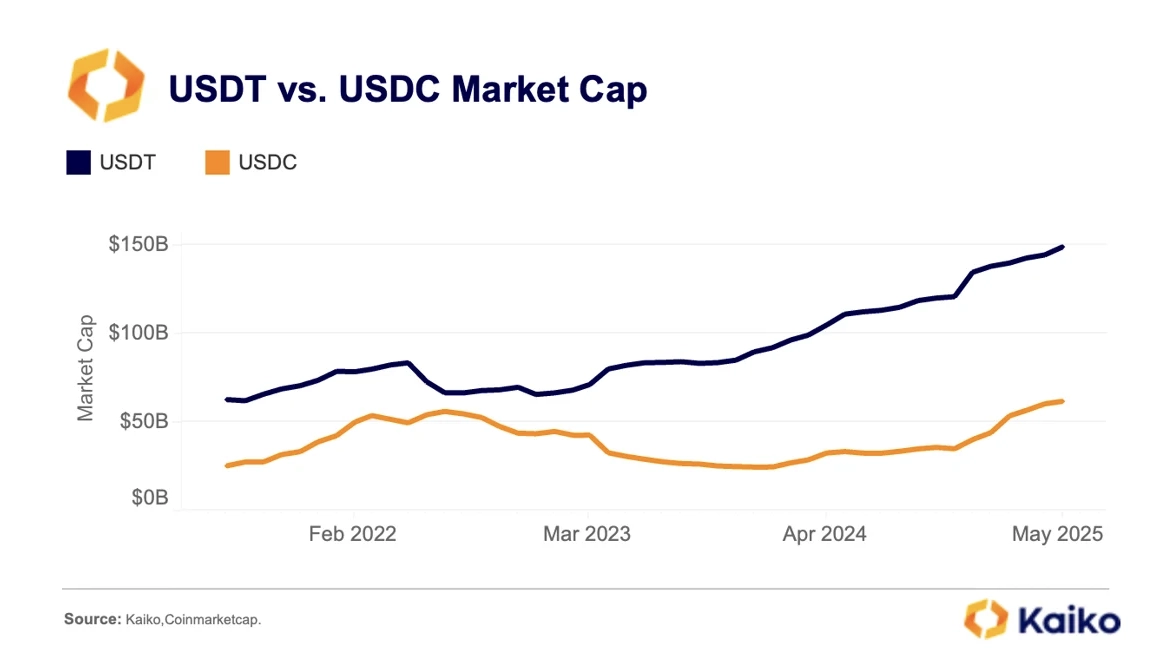
When stablecoin supply expands, liquidity often increases. When supply contracts, risk appetite may be declining. Watching these metrics can reveal broader market sentiment shifts.
Revenue, Fees, and Protocol Fundamentals
TVL alone doesn’t measure sustainability. Revenue does.
defillama also tracks:
- Protocol fees
- Revenue distribution
- Token buybacks
- Treasury holdings
These metrics provide insight into business models. A protocol with moderate TVL but strong fee generation may be healthier than one with massive deposits but minimal revenue.
Investors increasingly analyze fundamentals instead of relying solely on hype.
Why Transparency Matters in Decentralized Finance
The DeFi ecosystem has seen hacks, exploits, and collapses. Data transparency reduces uncertainty, but it doesn’t eliminate risk.
Using platforms like defillama encourages:
- Independent verification
- Risk diversification
- Cross-chain awareness
- Evidence-based investing
In traditional finance, institutional analytics cost thousands of dollars per month. In DeFi, open dashboards level the playing field.
Limitations and Things to Watch For
No analytics tool is perfect.
Users should consider:
- TVL inflation from token incentives
- Double-counting in some liquidity models
- Rapid liquidity migration during market stress
- Smart contract risk not reflected in dashboards
Numbers tell a story, but they don’t tell the whole story.
Smart investors combine on-chain analytics with qualitative research.
Using defillama as a Research Workflow Tool
A practical workflow might look like this:
- Check chain-level TVL trends
- Identify growing ecosystems
- Analyze top protocols by TVL
- Compare fee generation
- Evaluate yield sustainability
- Cross-reference audits and security reports
This structured approach reduces emotional decision-making.
The Future of DeFi Analytics
As DeFi evolves, analytics platforms must expand. New areas include:
- Real-world asset tokenization
- Cross-chain bridges
- Liquid staking derivatives
- Restaking ecosystems
- Perpetual decentralized exchanges
Analytics tools that adapt quickly will remain essential.
The rise of modular blockchains and app-chains will further increase data fragmentation. Aggregators will become even more important.
FAQ
Frequently Asked Questions
What is defillama used for?
defillama is used to track DeFi metrics such as total value locked, protocol revenue, stablecoin supply, and yield opportunities across multiple blockchains.
Is defillama free to use?
Yes, the platform is publicly accessible and does not require a subscription for standard analytics features.
How accurate is the TVL data?
The data is sourced from on-chain smart contracts and protocol integrations, making it highly transparent, though occasional discrepancies can occur.
Can beginners use defillama?
Yes, although beginners may need time to understand DeFi terminology, the dashboard layout is user-friendly and intuitive.
Does defillama show token prices?
It focuses primarily on DeFi metrics rather than price tracking, though price-related metrics may appear in context.
Why does TVL fluctuate rapidly?
TVL changes due to market volatility, token price movements, liquidity migration, and farming incentives.
Is higher TVL always better?
Not necessarily. High TVL can indicate popularity, but sustainability depends on revenue, security, and user retention.
Can defillama predict market trends?
It doesn’t predict markets, but its data helps users identify patterns and trends that may inform investment decisions.
Conclusion
Decentralized finance moves quickly, and without reliable analytics, it’s easy to get lost in speculation. Platforms like defillama offer clarity in a space driven by rapid innovation and constant experimentation.
By understanding how to interpret TVL, yields, stablecoin supply, and revenue metrics, investors can make more informed decisions instead of reacting emotionally to market noise.
As DeFi matures, transparency will separate sustainable protocols from short-lived experiments. Learning how to use trusted analytics tools isn’t just helpful—it’s essential for navigating the future of finance.