
Introduction
There’s something magical about late-season blooms—the kind that appear just when summer seems ready to fade. That’s where aster steps in, lighting up gardens with star-shaped petals and vibrant color when most plants are slowing down. If you’ve ever admired a burst of purple, pink, or white in early autumn, chances are you were looking at a beautiful aster flower.
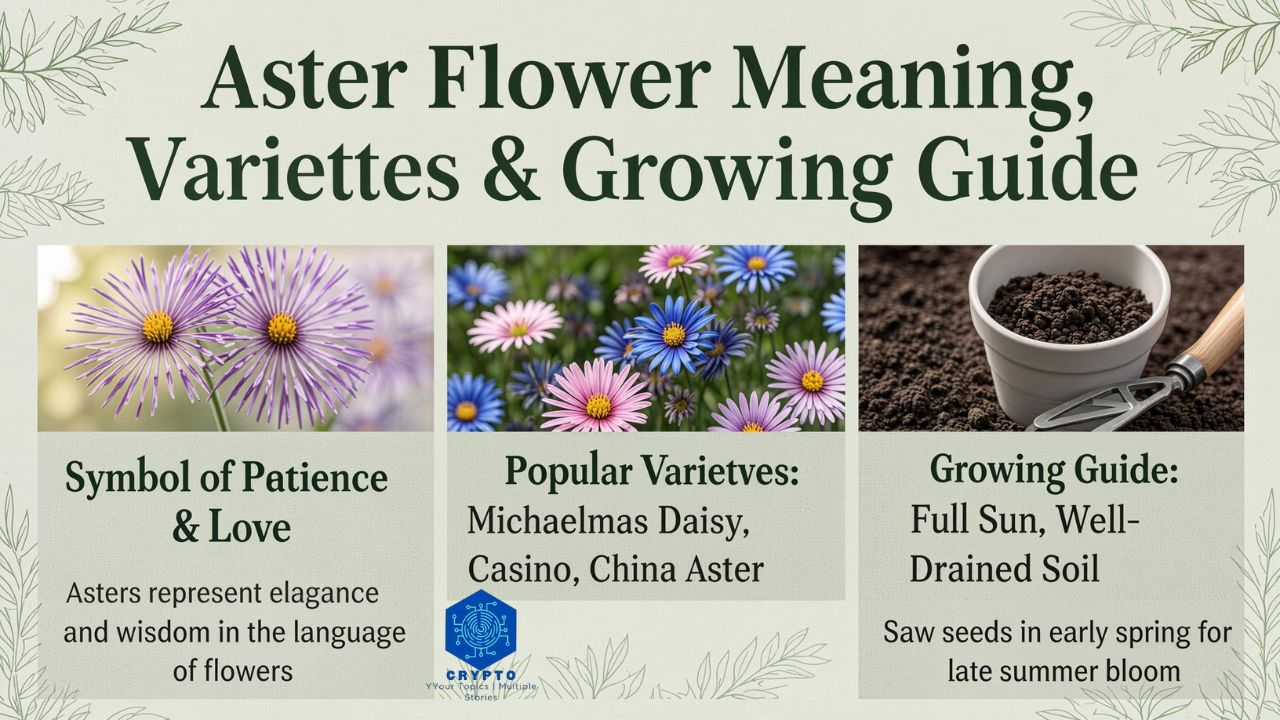
For gardeners, landscapers, and flower lovers alike, this resilient bloom represents more than beauty. It symbolizes patience, elegance, and lasting charm. Whether you want to grow them at home, understand their deeper meaning, or explore different varieties, this guide will walk you through everything you need to know.
Let’s dive into the fascinating world of aster and discover why it remains one of the most beloved flowers in gardens around the globe.
What Is Aster?
Aster is a flowering plant known for its daisy-like appearance and star-shaped blossoms. The name itself comes from the Greek word for “star,” a fitting description of its radiating petals.
These plants belong to the Asteraceae family, one of the largest plant families in the world. According to <a href=”https://en.wikipedia.org/wiki/Asteraceae” target=”_blank”>Wikipedia</a>, this family also includes sunflowers, daisies, and chrysanthemums—some of the most recognizable ornamental flowers worldwide.
Aster plants are typically perennials, meaning they return year after year. They bloom primarily in late summer and fall, making them an essential component of seasonal landscaping.


Their vibrant petals surround a yellow or golden center, creating a striking contrast that attracts butterflies, bees, and other pollinators. This makes them not only beautiful but also ecologically valuable.
The Meaning and Symbolism of Aster
Historical Symbolism
Throughout history, aster has been associated with:
- Love and patience
- Elegance and refinement
- Wisdom and faith
- Remembrance
In ancient mythology, the flower was believed to have grown from the tears of the goddess Astraea. Over time, different cultures adopted the flower as a symbol of devotion and grace.
Modern Interpretations
Today, aster often represents:
- Enduring affection
- Celebration of autumn
- Positive transformation
It is also the birth flower for September, making it a popular choice in birthday bouquets.
Popular Varieties of Aster
There are more than 180 species, each with unique traits. Below are some of the most popular varieties gardeners love.
New England Aster (Symphyotrichum novae-angliae)
This variety is known for:
- Tall stems
- Deep purple or pink petals
- Yellow centers
- Excellent cold tolerance
It thrives in cooler climates and attracts butterflies in large numbers.
New York Aster (Symphyotrichum novi-belgii)
Slightly shorter than the New England type, this plant produces dense clusters of blooms and works beautifully in borders.
Alpine Aster
Perfect for rock gardens, this compact variety blooms earlier than most types and tolerates alpine conditions.


4
China Aster
Unlike most perennial types, China aster is an annual. It produces large, showy flowers in a wide range of colors and is often used in cut flower arrangements.
How to Grow Aster Successfully
Growing aster is surprisingly straightforward when you understand its basic needs.
1. Choosing the Right Location
Aster prefers:
- Full sun (at least 6 hours daily)
- Well-drained soil
- Moderate air circulation
Too much shade can lead to fewer blooms and weak stems.
2. Soil Requirements
The plant thrives in:
- Loamy soil
- Slightly acidic to neutral pH
- Organic-rich conditions
Adding compost before planting enhances growth and bloom production.
3. Planting Tips
- Space plants 1–3 feet apart
- Plant in spring or early summer
- Water thoroughly after planting
Spacing ensures proper airflow and reduces disease risk.
4. Watering and Fertilizing
Aster needs consistent moisture but dislikes soggy soil. Water deeply once a week during dry periods.
Use balanced fertilizer in early spring. Avoid excessive nitrogen, as it encourages leaf growth over flowers.
Caring for Aster Throughout the Seasons
Pruning
Pinch back stems in early summer to encourage bushier growth and more blooms.
Deadhead spent flowers to prolong the blooming period.
Staking
Taller varieties may need support to prevent bending or falling over, especially in windy areas.
Winter Care
Most perennial types are frost-hardy. Cut back stems after the first frost and apply mulch to protect roots.
Common Problems and How to Fix Them
Like any plant, aster can face challenges.
Powdery Mildew
A common fungal issue caused by:
- Poor air circulation
- High humidity
- Overcrowding
Solution:
- Space plants properly
- Water at the base
- Remove affected leaves
Aphids and Pests
Aphids may feed on tender growth. Use:
- Insecticidal soap
- Neem oil
- Natural predators like ladybugs
Maintaining healthy plants reduces vulnerability.
Landscaping Ideas with Aster
Aster’s versatility makes it ideal for multiple garden styles.


1. Cottage Gardens
Pair with ornamental grasses and late-blooming perennials for a soft, romantic look.
2. Pollinator Gardens
Butterflies, bees, and beneficial insects flock to these flowers. According to <a href=”https://www.forbes.com/home-improvement/lawn-care/best-pollinator-plants/” target=”_blank”>Forbes</a>, fall-blooming flowers are essential for sustaining pollinators before winter.
3. Borders and Pathways
Their upright stems create vibrant edges along walkways and fences.
4. Containers
Compact varieties grow well in pots, bringing color to balconies and patios.
Aster in Floral Arrangements
Fresh-cut aster flowers last several days in water. To extend vase life:
- Cut stems early morning
- Remove lower leaves
- Change water every two days
They pair beautifully with:
- Roses
- Sunflowers
- Eucalyptus
- Baby’s breath
Medicinal and Cultural Uses
Historically, certain species were used in traditional remedies for respiratory issues and headaches. While modern medicine does not widely rely on aster extracts, its historical significance remains fascinating.
In art and literature, the flower often symbolizes gentle strength and emotional resilience.
FAQ
Frequently Asked Questions About Aster
What is the best time to plant aster?
Spring is ideal. This allows roots to establish before fall blooming begins.
Does aster come back every year?
Most varieties are perennials and return annually when properly cared for.
How long does aster bloom?
Bloom time typically lasts 6–8 weeks in late summer to fall.
Can aster grow in partial shade?
Yes, but full sun produces more abundant flowers.
Is aster toxic to pets?
Most types are considered non-toxic, but always verify specific varieties.
Why is my aster not flowering?
Common reasons include:
- Too much shade
- Excess nitrogen fertilizer
- Overcrowding
How tall does aster grow?
Depending on the variety, height ranges from 6 inches to 6 feet.
Can aster survive frost?
Many perennial types tolerate light frost and even thrive in cooler weather.
Conclusion
Few flowers capture the spirit of autumn quite like aster. With its radiant star-shaped blooms and impressive resilience, it transforms fading gardens into vibrant landscapes full of life and color. Whether you’re planting a small border, building a pollinator-friendly space, or simply appreciating its symbolic beauty, this remarkable flower offers both aesthetic and ecological value.
From understanding its meaning to mastering its care, growing aster is a rewarding experience that brings joy season after season. Add it to your garden, and you’ll quickly see why this timeless bloom continues to win hearts around the world.