Introduction
Language is alive. It shifts, adapts, and transforms with every generation. One word that perfectly captures this dynamic evolution is popo. At first glance, it may seem playful or even childish, yet it carries layers of meaning depending on who says it, where it’s said, and how it’s used.
The term popo has traveled across cultures, neighborhoods, and digital platforms. For some, it’s an affectionate nickname. For others, it’s slang rooted in urban storytelling. And in certain contexts, it carries entirely different connotations shaped by language and community history.
Understanding why words like this matter isn’t just about vocabulary. It’s about identity, expression, and the social currents that shape how we communicate. In this guide, we’ll explore the origins, cultural nuances, modern usage, and broader significance of this fascinating term.
The Origins and Early Meaning of popo
Language historians often trace informal expressions back to oral traditions. Many slang words begin in tight-knit communities before expanding outward.
The term popo is widely recognized in English-speaking urban slang as a casual reference to the police. Its origin is debated, but linguistic patterns suggest repetition-based nicknames—like “po-po”—were used as shorthand forms of longer words. This pattern mirrors other playful linguistic constructions, especially in African American Vernacular English (AAVE).


Interestingly, repetition in language often signals familiarity. In childhood speech development, repeated syllables are easier to pronounce—“mama,” “dada,” and similar structures. Over time, communities adapt this style for humor, irony, or social commentary.
But that’s only one dimension. In other cultural and linguistic contexts, the same word may mean something entirely different. For example:
- In some Asian languages, repeated syllables function as affectionate forms.
- In informal family settings, it may refer to grandparents.
- In children’s vocabulary, it may carry innocent or playful meanings.
The evolution of popo illustrates how meaning depends heavily on context.
Cultural Significance of popo in Urban Communities
Words often become symbols. Within certain urban communities, popo evolved beyond a simple nickname. It became shorthand for authority, power, and sometimes tension.
Social Context and Power Dynamics
In neighborhoods where interactions with law enforcement are frequent, slang terms develop naturally. Using informal language can:
- Signal shared experience
- Reduce fear through humor
- Create insider identity
- Express skepticism or resistance
When people say popo in these environments, tone matters. It may be lighthearted, ironic, or critical. The same word can feel very different depending on who says it and why.
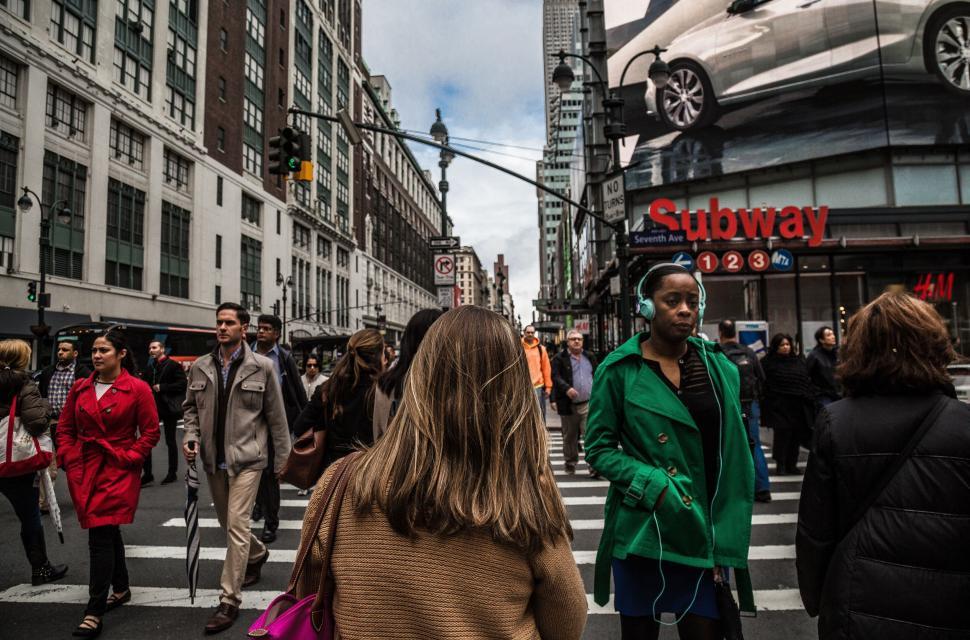

Language scholars note that slang frequently emerges in communities with strong oral storytelling traditions. Music genres such as hip-hop played a major role in spreading terms like popo into mainstream awareness. Once lyrics circulated globally, local expressions gained international visibility.
From Subculture to Mainstream
The journey from niche slang to everyday language typically follows this pattern:
- Community creation
- Cultural reinforcement (music, film, social media)
- Wider adoption
- Commercialization
Pop culture exposure normalized the word. Today, even people far removed from its original context may use popo casually without understanding its deeper cultural history.
Linguistic Patterns Behind popo
Repetition is one of the oldest linguistic tools. It enhances rhythm, memorability, and emotional tone.
Why Repetition Works in Language
Repeated syllables are:
- Easy to pronounce
- Catchy
- Emotionally expressive
- Playful or ironic
This explains why popo feels informal and conversational rather than rigid or official. The sound structure softens what might otherwise be a serious subject.
Semantic Shifts Over Time
Words rarely stay fixed. A term can:
- Begin as humorous
- Become sarcastic
- Take on political undertones
- Fade or evolve
This fluidity keeps language dynamic. The meaning of popo in one decade may differ from its tone in another.
Digital Culture and the Rise of popo Online
The internet accelerates linguistic change. Social media platforms act as testing grounds for slang. Short, punchy terms thrive in comment sections, memes, and hashtags.

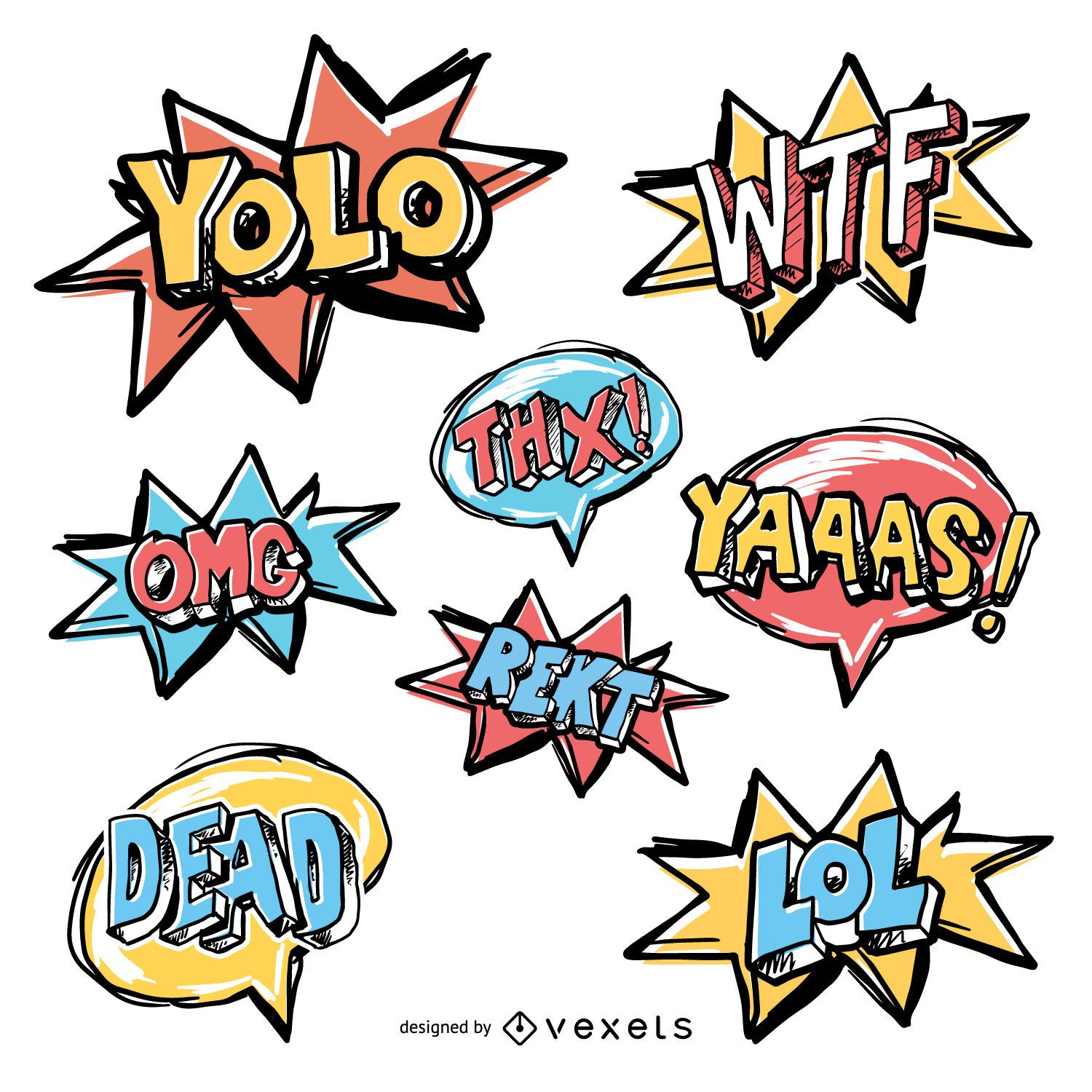

In online spaces, popo often appears in:
- Memes referencing authority
- Viral tweets
- Casual storytelling posts
- Short-form video captions
Digital communication favors brevity. A two-syllable nickname fits perfectly into character-limited formats.
Meme Culture and Tone
Memes frequently transform serious topics into humorous or exaggerated visuals. In that environment, popo may be used ironically or sarcastically, adding another layer of meaning.
Psychological Impact of Informal Language
Why do people gravitate toward slang?
Because language shapes emotional experience.
Using informal words can:
- Lower perceived tension
- Foster group belonging
- Signal social awareness
- Create distance from authority
When someone says popo instead of a formal term, they may be consciously or unconsciously reframing the situation.
Identity and Belonging
Slang operates as a social badge. Shared vocabulary builds micro-communities. It says, “You’re part of this circle.”
That sense of belonging is powerful. It explains why words spread so quickly within peer groups.
popo in Global Linguistic Contexts
Although primarily associated with English urban slang, repeated-syllable words appear worldwide.
For example:
- In Mandarin, repetition can imply affection or diminishment.
- In Tagalog, repetition changes grammatical meaning.
- In some African languages, repetition intensifies emotion.
This shows that popo fits into a broader global pattern of expressive repetition.
However, interpretation depends entirely on cultural setting. Without context, assumptions about meaning can be misleading.
The Role of Media in Popularizing popo
Television, movies, and music often serve as cultural translators.
When artists use slang in widely distributed media, audiences adopt it. Over time, repetition through entertainment makes the term feel familiar.
Music lyrics, especially in hip-hop and rap, played a key role in spreading popo beyond its original communities. Streaming platforms then amplified that reach.
Commercial Adoption
Once slang reaches mainstream acceptance, brands sometimes incorporate it into:
- Advertising campaigns
- Social media marketing
- Entertainment scripts
This can dilute the original meaning or transform it entirely.
Social Sensitivity and Responsible Usage
Language is powerful. Informal terms tied to social institutions can carry emotional weight.
When using popo, consider:
- Audience
- Cultural background
- Tone
- Intent
In professional settings, formal language may be more appropriate. In casual settings, the term may feel natural.
Understanding nuance prevents misunderstanding.
The Evolution of Slang and What It Teaches Us
Slang acts as a cultural thermometer. It reflects social mood, political climate, and generational shifts.
Words like popo remind us that:
- Language mirrors lived experience.
- Communities innovate linguistically.
- Digital platforms accelerate change.
- Meaning is rarely static.
Studying slang isn’t trivial—it reveals how societies negotiate power, humor, identity, and belonging.
FAQ
What does popo mean in slang?
In English urban slang, it commonly refers to the police in an informal or playful way.
Is popo considered disrespectful?
It depends on tone and context. Some use it humorously, while others may perceive it as dismissive.
Where did popo originate?
Its exact origin is debated, but it likely emerged from repetition-based slang patterns in urban communities.
Why do people use popo instead of formal terms?
Informal language often creates familiarity, reduces tension, and signals group identity.
Is popo used worldwide?
While most common in English slang, repetition-based words exist globally with different meanings.
How did popo become mainstream?
Music, film, and social media played major roles in spreading the term beyond its original communities.
Can slang words like popo change meaning?
Yes. Slang evolves quickly and can shift tone depending on social and cultural influences.
Should popo be used in professional writing?
Generally, formal contexts call for standard terminology unless tone intentionally allows informality.
Conclusion
Language tells stories. It carries the rhythm of neighborhoods, the influence of music, and the pulse of digital culture. A small word like popo may seem simple, but it reflects decades of cultural exchange, social commentary, and linguistic creativity.
Understanding its background encourages deeper awareness of how we speak—and why. Words evolve because people evolve. And as long as communities continue shaping language, terms like popo will keep adapting, shifting, and finding new meaning in every generation.