
Introduction
If you’ve ever tried managing dozens—or even hundreds—of resale listings across different marketplaces, you know how chaotic it can feel. That’s where vendoo enters the conversation. Designed specifically for online resellers, vendoo promises to simplify crosslisting, automate repetitive tasks, and give sellers more time to focus on sourcing and scaling.
In today’s resale economy, efficiency is everything. Whether you’re selling vintage fashion, sneakers, electronics, or handmade goods, your ability to list quickly and keep inventory synchronized directly impacts your income. Understanding how vendoo works—and whether it’s right for your business—could make the difference between staying stuck and scaling up confidently.
Reselling has evolved from a side hustle into a serious business model. With competition growing across platforms like eBay, Poshmark, and Mercari, tools that streamline operations are no longer optional—they’re strategic advantages.
The Rise of Online Reselling
Two decades ago, reselling meant garage sales or flea markets. Today, it’s a thriving digital economy powered by global marketplaces. Platforms such as eBay, Poshmark, Depop, Etsy, and Mercari allow individuals to build full-time incomes from curated inventory.
The modern reseller faces three core challenges:
- Managing listings across multiple platforms
- Keeping inventory synced
- Maintaining consistent visibility
Without automation, sellers often waste hours copying descriptions, uploading photos repeatedly, and manually deleting sold listings. That’s where crosslisting tools became essential.



What Is vendoo?
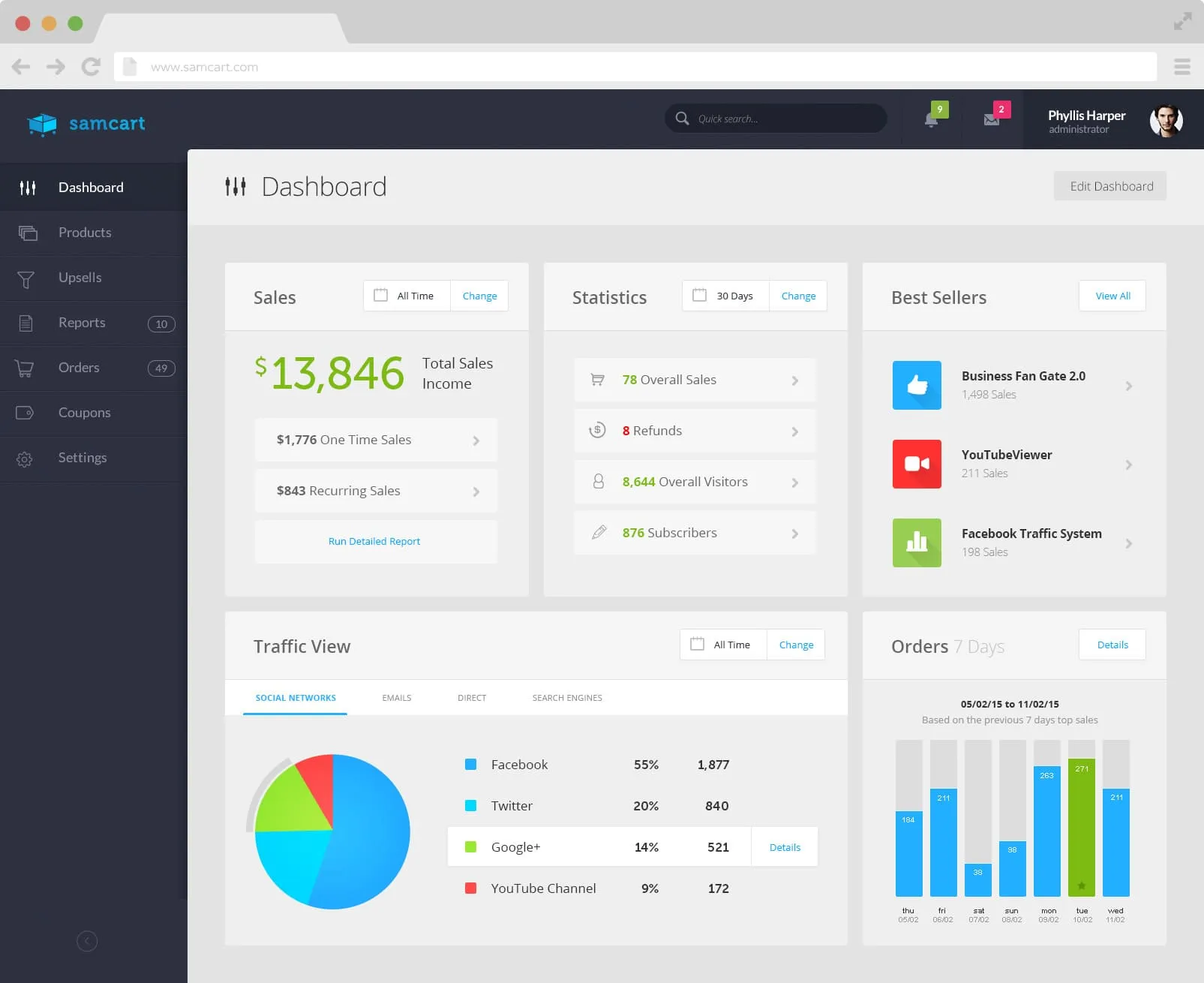
vendoo is a cloud-based crosslisting and inventory management platform built specifically for online resellers. It enables users to list products across multiple marketplaces from one centralized dashboard.
Instead of logging into each platform individually, sellers create a listing once and publish it everywhere. When an item sells, inventory can be automatically updated across platforms, reducing overselling risks.
Core Definition
vendoo is a multi-platform listing management system that helps resellers crosspost, track inventory, manage analytics, and automate repetitive tasks across major resale marketplaces.
It is particularly popular among:
- Clothing resellers
- Sneaker flippers
- Vintage collectors
- Thrift-to-profit entrepreneurs
- Boutique owners expanding online
How vendoo Works
At its core, vendoo simplifies three major reseller workflows: listing, syncing, and managing.
1. Centralized Listing Creation
You create your product listing once—upload photos, write descriptions, set pricing—and then select the platforms where you want it posted.
2. Inventory Synchronization
When an item sells on one platform, the software can automatically delist it from others to prevent double sales.
3. Bulk Management Tools
Advanced features allow bulk edits, relisting, and analytics tracking. For high-volume sellers, this dramatically reduces admin time.

4
Platforms Supported by vendoo
One of the strongest advantages of vendoo is its broad marketplace integration. Supported platforms typically include:
- eBay
- Poshmark
- Mercari
- Depop
- Etsy
- Shopify
- Facebook Marketplace
This means sellers can maximize exposure without doubling or tripling their workload.
Key Features of vendoo
Understanding its features helps determine whether it aligns with your selling model.
Crossposting Automation
Crossposting is the process of listing the same item on multiple marketplaces. With vendoo, this becomes nearly instant once your base listing is complete.
Auto-Delist & Relist
- Automatically remove sold items
- Relist stale inventory to boost visibility
- Refresh older listings
This improves sell-through rates and marketplace ranking visibility.
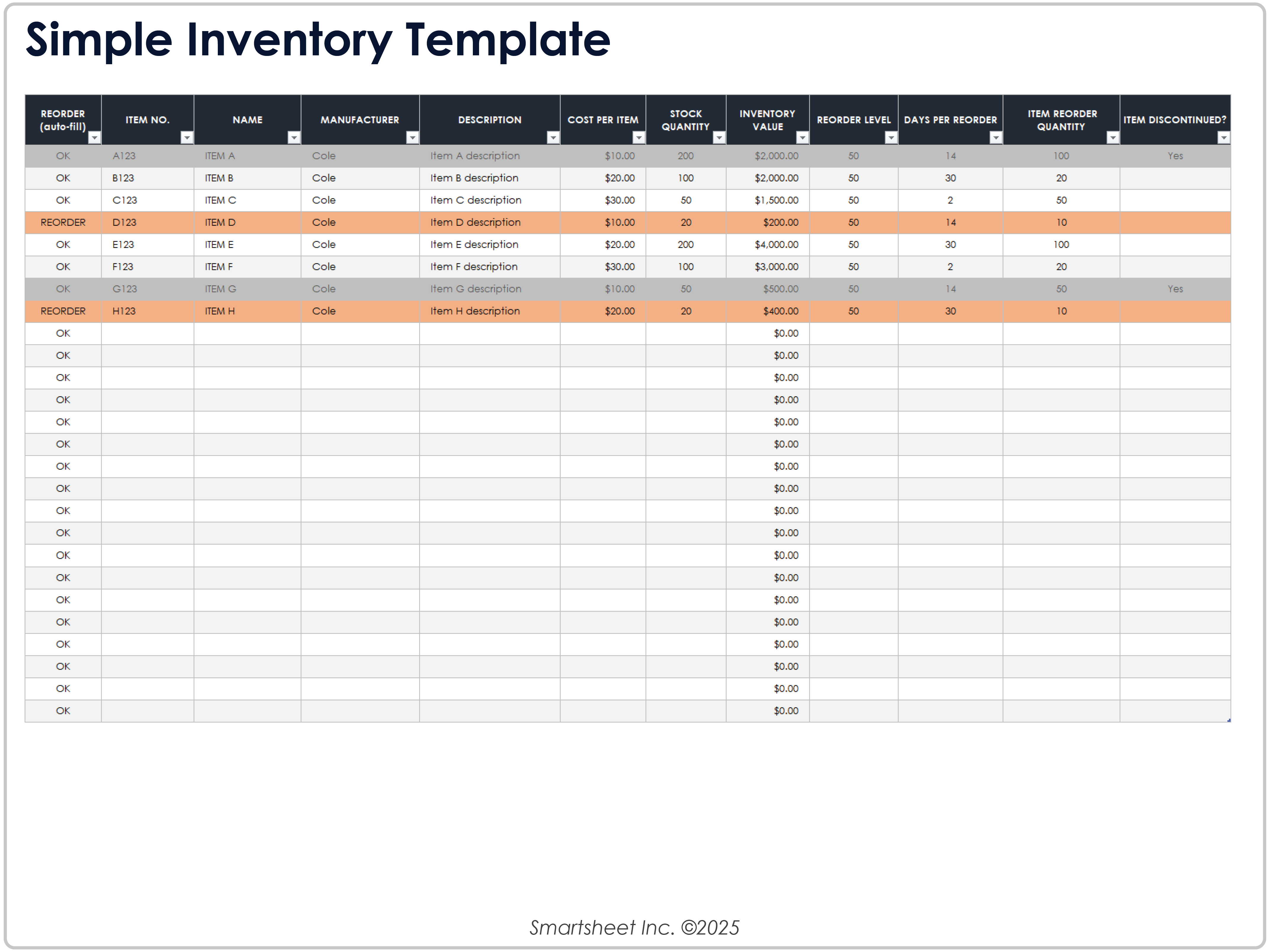
Inventory Management
You can track:
- SKU numbers
- Cost of goods
- Profit margins
- Sale dates
- Platform performance
For serious resellers, this transforms operations from hobby-level to business-level.
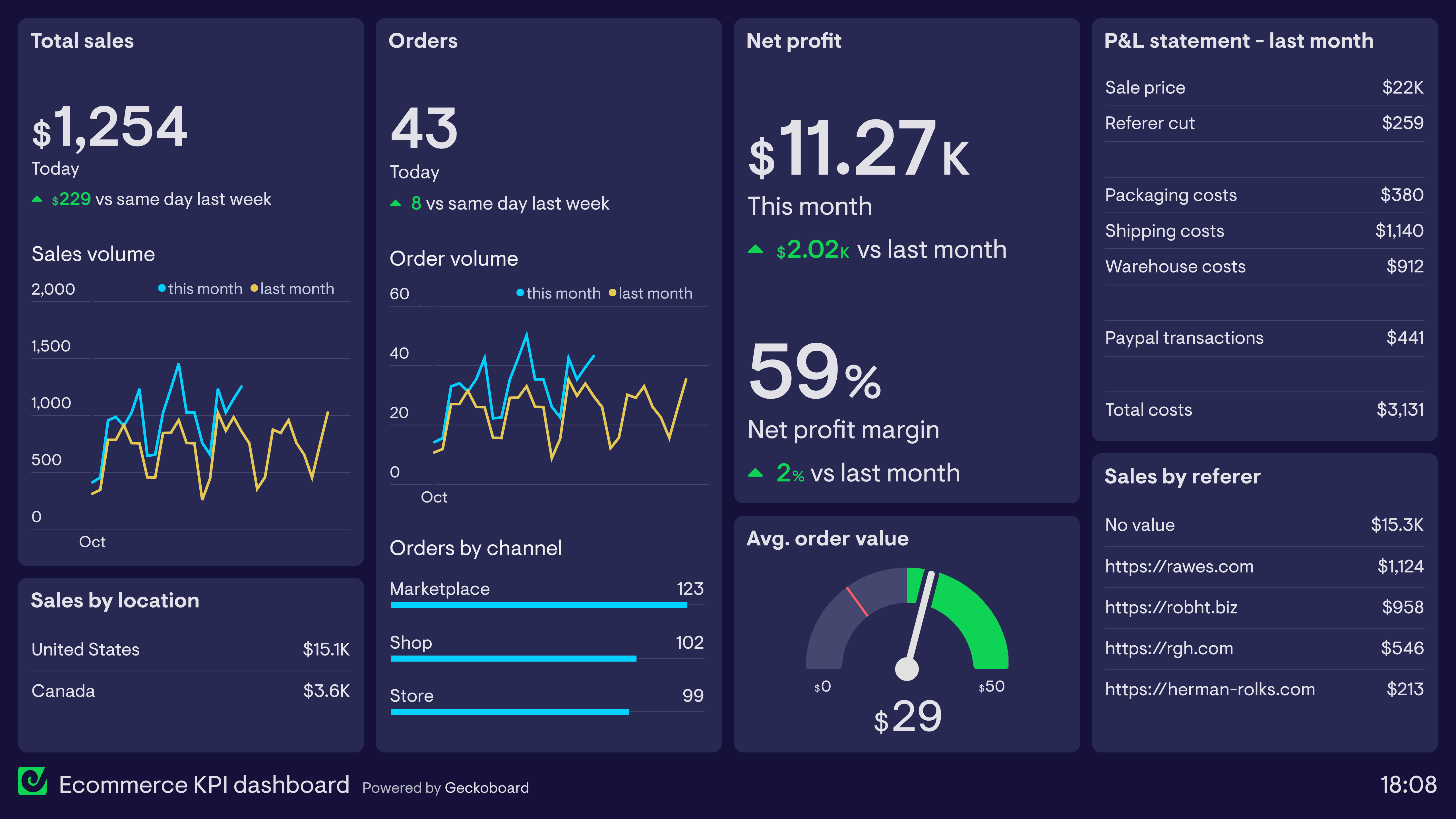
Analytics & Reporting
Advanced users can analyze:
- Which platforms convert best
- Which product categories perform strongest
- Seasonal performance trends
Data-driven decisions often lead to smarter sourcing and pricing.
Why Resellers Choose vendoo
Efficiency is the biggest draw. But there are deeper reasons experienced sellers gravitate toward crosslisting tools.
Time Savings
Instead of spending hours duplicating listings, sellers can reduce listing time by up to 60–70%.
Increased Sales Exposure
More platforms = more buyers. Crosslisting increases reach without increasing effort proportionally.
Reduced Errors
Manual listing often leads to inconsistent descriptions, incorrect pricing, or forgotten delisting. Automation reduces human error.


Who Should Use vendoo?
Not every seller needs crosslisting software. But for certain categories, it becomes invaluable.
Ideal For:
- Sellers listing 50+ items per month
- Multi-platform sellers
- Part-time resellers scaling up
- Full-time resale businesses
May Not Be Necessary For:
- Single-platform hobby sellers
- Casual sellers listing occasionally
Pricing Structure Explained
Pricing usually operates on tiered subscription plans based on:
- Number of listings per month
- Advanced automation features
- Analytics depth
For serious sellers, the cost often pays for itself in time savings and increased sales exposure.
When evaluating subscription cost, consider:
- Your hourly value
- Your average profit per item
- Your monthly listing volume
Comparing vendoo to Other Crosslisting Tools
While several tools exist in the reseller space, vendoo is often compared to:
- List Perfectly
- Flyp
- SellerAider
Areas Where vendoo Stands Out
- Clean interface
- Strong inventory tracking
- Multi-platform integration
- Robust analytics
However, sellers should test tools based on workflow compatibility.
Best Practices for Using vendoo Effectively
Simply subscribing isn’t enough. Smart usage maximizes return.
Create High-Quality Base Listings
Since one listing feeds all platforms, make sure:
- Photos are clear and well-lit
- Descriptions are detailed
- Measurements are included
- Keywords are natural
Use SKUs Consistently
Proper SKU management simplifies tracking and storage organization.
Analyze Performance Monthly
Review:
- Platform-specific sales
- Inventory aging
- Profit margins
Data informs smarter decisions.
Common Mistakes to Avoid
Even with automation tools, sellers can make costly errors.
- Ignoring platform-specific pricing differences
- Failing to update shipping settings
- Not reviewing synced listings for formatting issues
- Over-relying on automation without monitoring
Crosslisting should enhance control—not replace oversight.
vendoo and Business Scalability
Scaling a resale business requires systems. Manual workflows don’t scale.
With vendoo, sellers can:
- Increase listing volume
- Expand to new platforms
- Track profit margins more precisely
- Reduce administrative burnout
For entrepreneurs aiming to turn reselling into a full-time income, systemization is key.
Security and Data Considerations
When connecting marketplaces, security is critical.
Always:
- Use strong passwords
- Enable two-factor authentication
- Review connected app permissions
- Monitor account access
Cloud-based tools rely on secure integrations, so always follow best practices.
FAQ
Frequently Asked Questions
Is vendoo beginner-friendly?
Yes. The dashboard is intuitive, and most users can start listing within minutes after setup.
Does vendoo automatically delist sold items?
Yes, when enabled. It can remove sold listings across connected platforms to prevent overselling.
Can I track profit with vendoo?
Yes. It allows tracking of cost, fees, and final sale price for profit analysis.
Does vendoo support bulk uploads?
Yes, bulk listing and editing are available in most subscription tiers.
Is vendoo worth it for part-time sellers?
If you list consistently on multiple platforms, it can save significant time—even part-time.
Can I cancel anytime?
Subscription models generally allow monthly cancellation.
Does vendoo integrate with Shopify?
Yes, Shopify integration allows boutique sellers to connect independent stores.
Is my data secure?
As a cloud-based platform, it uses encrypted integrations, but sellers should maintain account security practices.
Conclusion
Reselling has never been more competitive—or more promising. The difference between a casual seller and a thriving resale business often comes down to systems and efficiency. Tools like vendoo don’t replace hustle or product knowledge, but they dramatically streamline the operational side of selling.
If you’re juggling multiple platforms, losing track of inventory, or spending more time managing listings than sourcing products, automation could be your next strategic move. In a digital resale economy where visibility equals opportunity, working smarter—not harder—often defines long-term success.