
Introductio
What if building a profitable company didn’t have to come at the cost of purpose, balance, or impact? That’s the question at the heart of betterthisworld business—a modern approach to entrepreneurship that blends financial success with meaningful contribution.
In a world where startups rise and fall overnight, business owners are searching for something more sustainable. They want smart growth, not burnout. They want innovation, not chaos. And most importantly, they want their work to matter. The concept behind betterthisworld business reflects this shift: it’s about building ventures that create value not just for shareholders, but for customers, communities, and the entrepreneurs themselves.
Whether you’re launching your first startup, scaling an established company, or rethinking your leadership approach, understanding this model can change the way you view success.
Understanding the Betterthisworld Business Philosophy
The phrase betterthisworld business represents more than a brand or idea—it reflects a mindset. At its core, it combines profitability, innovation, ethical decision-making, and long-term vision.
What Does It Mean?
A betterthisworld business is one that:
- Prioritizes sustainable growth over rapid, unstable expansion
- Builds systems instead of chasing short-term trends
- Focuses on customer value and community trust
- Integrates technology strategically
- Encourages leadership development and team empowerment
This philosophy aligns with evolving entrepreneurial models discussed in publications like <a href=”https://www.forbes.com” target=”_blank”>Forbes</a>, which frequently highlight businesses that combine purpose with performance.


Instead of viewing profit as the only measure of success, this model treats profit as fuel—necessary, but not the final goal.
Why Betterthisworld Business Is Gaining Momentum
Across industries, founders are rethinking traditional business models. The reason is simple: markets have changed.
1. Customers Demand Transparency
Modern consumers research brands before buying. They care about sustainability, ethical sourcing, and authenticity. Businesses that align with these values naturally build stronger loyalty.
2. Digital Tools Enable Smarter Scaling
Automation, AI-driven analytics, and digital marketing have leveled the playing field. Even small startups can compete globally.
3. Burnout Is No Longer a Badge of Honor
Entrepreneurs increasingly recognize the cost of hustle culture. A betterthisworld business model encourages systems that protect mental health and create predictable income streams.
4. Impact Attracts Talent
Skilled professionals want more than a paycheck. They seek meaning. Companies with purpose attract stronger teams.
Core Pillars of a Betterthisworld Business
To fully understand this framework, we must break it into its core components.
Vision-Driven Leadership
Every successful venture begins with clarity. Leaders in a betterthisworld business define:
- Their long-term mission
- Their measurable goals
- Their core values
- Their non-negotiables
Clear vision reduces decision fatigue and keeps teams aligned.
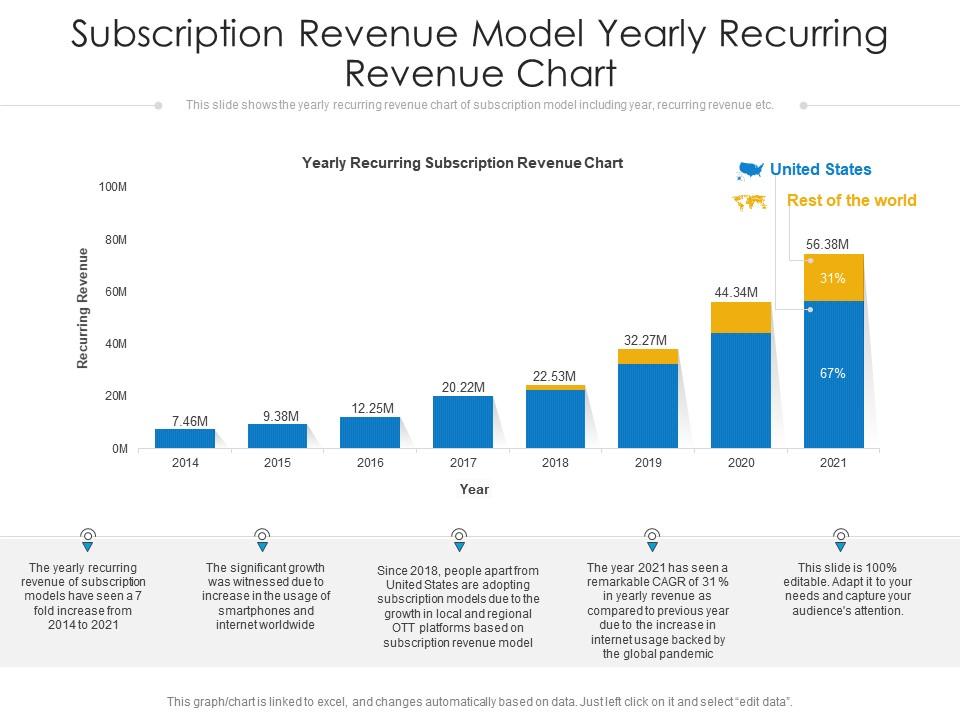
Sustainable Revenue Models
Instead of chasing viral moments, this approach focuses on consistent income sources such as:
- Subscription services
- Digital products
- Consulting retainers
- Recurring service agreements
- Membership communities
This reduces financial volatility and builds predictable cash flow.

Systems Over Stress
Many entrepreneurs fail because they rely on willpower instead of systems. A strong betterthisworld business includes:
- Documented processes
- Automation tools
- Clear delegation structures
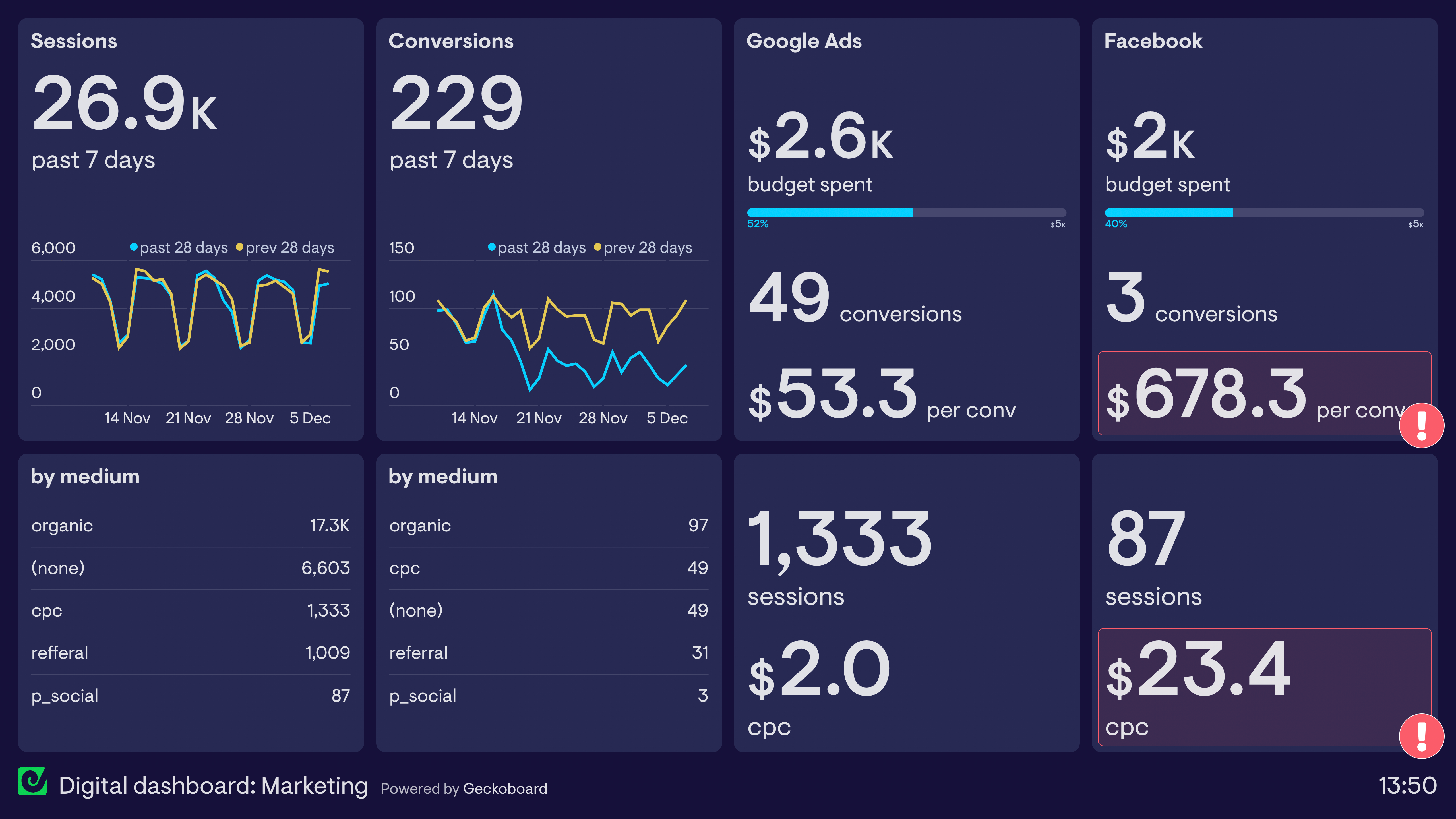
- Performance tracking dashboards
Systems create freedom.
Building Your Own Betterthisworld Business
If you want to adopt this framework, start with structure rather than speed.
Step 1: Define Your Value Proposition
Ask yourself:
- What problem do I solve?
- Who benefits most from this solution?
- Why am I uniquely positioned to deliver it?
Clear positioning separates sustainable businesses from short-lived trends.
Step 2: Create a Lean Growth Strategy
Avoid overcomplicating early operations. Focus on:
- One core offer
- One primary marketing channel
- One target audience
Master simplicity before expanding.
Step 3: Develop Brand Authority
Authority builds trust. Ways to do this include:
- Publishing educational content
- Speaking on podcasts
- Hosting webinars
- Creating video tutorials
Technology and Innovation in Betterthisworld Business
Innovation doesn’t mean constant reinvention. It means thoughtful improvement.
Smart Automation
Use automation for:
- Email sequences
- Customer onboarding
- Appointment scheduling
- Payment processing
Automation reduces friction while improving customer experience.
Data-Informed Decisions
Tracking metrics like:
- Customer acquisition cost
- Lifetime value
- Conversion rates
- Churn rate
helps refine strategy objectively rather than emotionally.

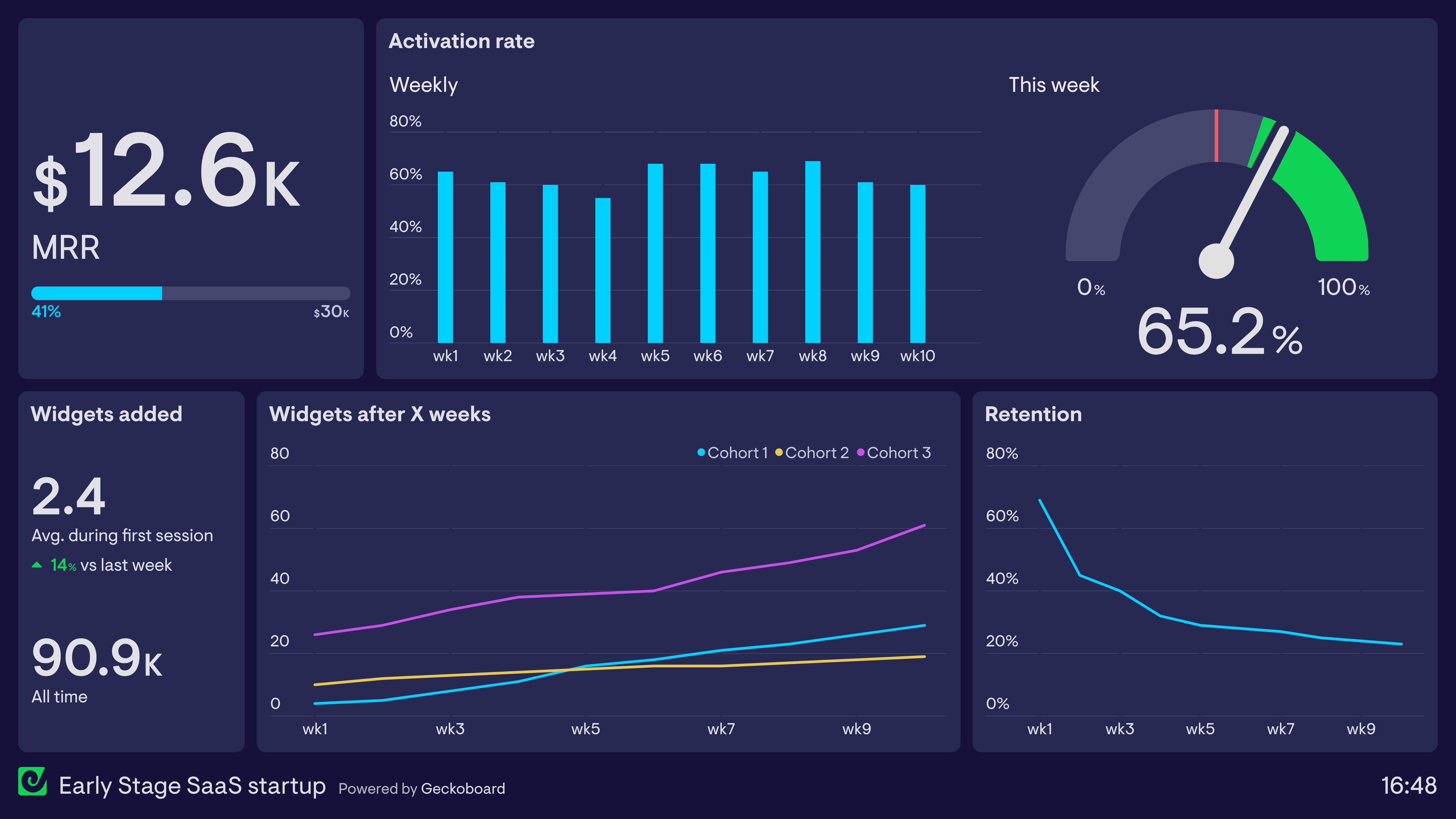
One infographic can clarify performance patterns faster than a long meeting.
Leadership and Culture in a Betterthisworld Business
Culture is not accidental. It’s built intentionally.
Empowerment Over Micromanagement
High-performing teams thrive when:
- Expectations are clear
- Autonomy is respected
- Feedback is constructive
- Wins are celebrated
Micromanagement slows innovation.
Continuous Learning
Encourage skill development through:
- Online courses
- Internal workshops
- Mentorship programs
- Industry conferences
Businesses that learn faster grow faster.
Financial Foundations for Long-Term Growth
Without financial clarity, even visionary businesses struggle.
Cash Flow Management
Profit on paper doesn’t guarantee liquidity. Always monitor:
- Monthly expenses
- Revenue timing
- Emergency reserves
- Debt obligations
Reinvestment Strategy
Allocate profits toward:
- Product improvement
- Marketing optimization
- Team expansion
- Technology upgrades
Reinvestment fuels momentum.
Challenges in the Betterthisworld Business Journey
No model is immune to obstacles.
Scaling Too Fast
Rapid expansion without systems leads to chaos. Sustainable growth is intentional.
Overcomplicating Offers
More products don’t equal more profit. Often, simplifying increases revenue.
Ignoring Feedback
Customer feedback is free market research. Listening improves retention.
Real-World Applications of Betterthisworld Business
This framework applies across industries:
- E-commerce brands focusing on ethical sourcing
- Digital agencies building recurring retainer models
- Online educators creating scalable course ecosystems
- SaaS startups refining subscription-based pricing
The adaptability of betterthisworld business makes it relevant in multiple markets.
Marketing with Integrity
Marketing should educate before it persuades.
Content-First Approach
Provide:
- Guides
- Tutorials
- Case studies
- Transparent pricing breakdowns
Trust compounds over time.
Community Building
Engaged communities generate organic growth. Encourage:
- Online forums
- Private groups
- Live Q&A sessions
- Member feedback loops
Community-driven businesses scale more sustainably.
Measuring Success Beyond Revenue
Revenue matters—but it’s not everything.
Evaluate success by:
- Customer satisfaction
- Team retention
- Work-life balance
- Social impact
A balanced scorecard prevents tunnel vision.
FAQ
Frequently Asked Questions
What is betterthisworld business?
It’s a growth-oriented business philosophy that combines profitability, sustainability, innovation, and long-term impact.
Is betterthisworld business only for startups?
No. Established companies can transition toward this model by improving systems, culture, and sustainable revenue streams.
How many revenue streams should a business have?
Start with one strong stream. Expand only after achieving stability and operational clarity.
Can small businesses adopt this model?
Absolutely. In fact, small businesses often adapt faster because they have fewer bureaucratic barriers.
Does this model reduce profit potential?
No. It often increases profitability by focusing on efficiency, retention, and strategic reinvestment.
How long does it take to see results?
With consistent implementation, noticeable improvements in structure and clarity can appear within months.
What industries benefit most?
Digital services, education platforms, SaaS, consulting, and ethical product brands see strong alignment with this framework.
Is technology required?
While not mandatory, leveraging digital tools significantly enhances scalability.
Conclusion
Building a thriving company today requires more than ambition—it requires intention. The betterthisworld business approach offers a balanced roadmap for entrepreneurs who want both financial growth and meaningful impact.
By prioritizing systems over stress, purpose over pressure, and strategy over speed, businesses can grow sustainably while maintaining integrity. In an increasingly competitive world, those who blend innovation with responsibility will not only survive—they’ll lead.
The future belongs to businesses that aim not just to win, but to make things better.