Introduction
Blockchain doesn’t move in slow motion. It evolves in bursts—sometimes quietly in developer forums, other times loudly through market rallies, regulatory headlines, or sudden collapses. Keeping up can feel overwhelming, especially when every week seems to bring a new narrative. That’s why following the latest blockchain news has become essential, not optional.
In reality, blockchain is no longer just about cryptocurrencies. It now touches finance, gaming, supply chains, healthcare, digital identity, and even government infrastructure. When a major update hits or a regulation shifts, the ripple effects can reach far beyond crypto traders.
This article breaks down what’s really happening right now. Not hype. Not noise. Just clear, human explanations of why today’s blockchain developments matter and where the technology is actually headed.
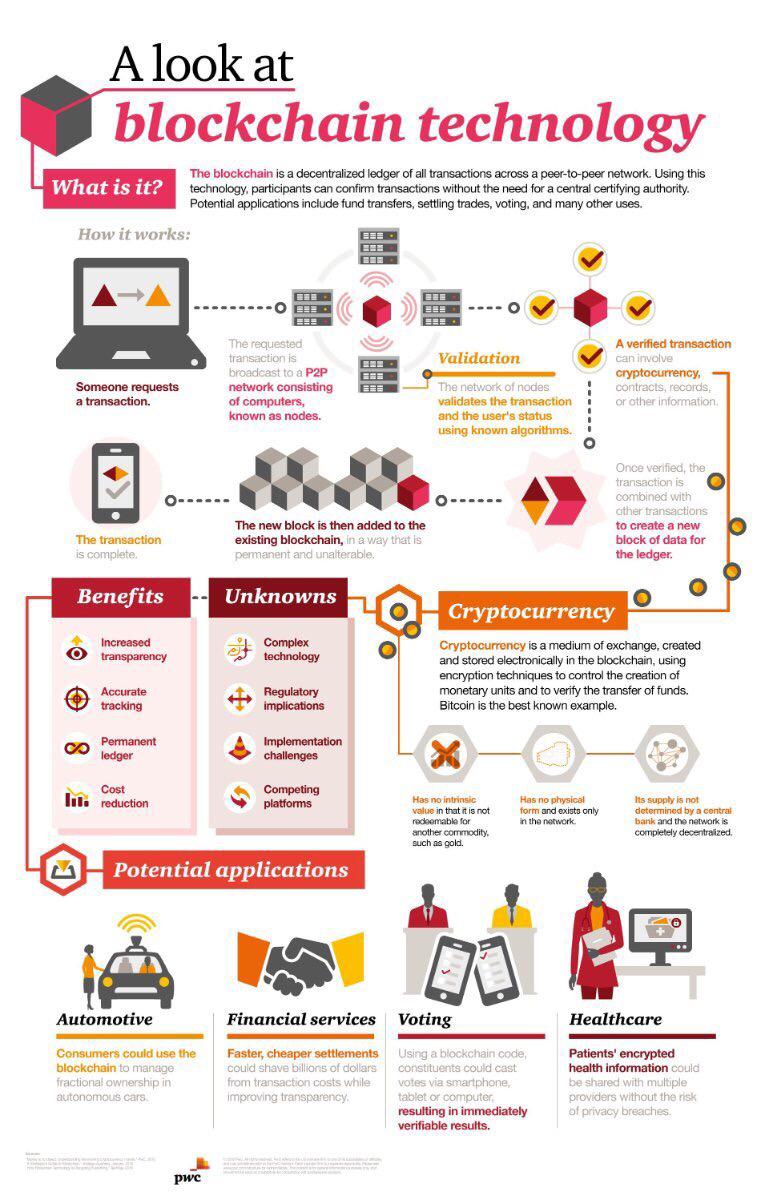
Table of Contents
Understanding the Latest Blockchain News Landscape
Latest Blockchain News Driving Market Sentiment
Regulatory Developments Reshaping Blockchain
DeFi, NFTs, and Web3: Where Innovation Is Concentrated
Enterprise and Government Blockchain Adoption
Security, Scalability, and Environmental Concerns
Key Figures Shaping Blockchain Innovation
How to Interpret Blockchain News Without the Hype
FAQ
Conclusion
Understanding the Latest Blockchain News Landscape
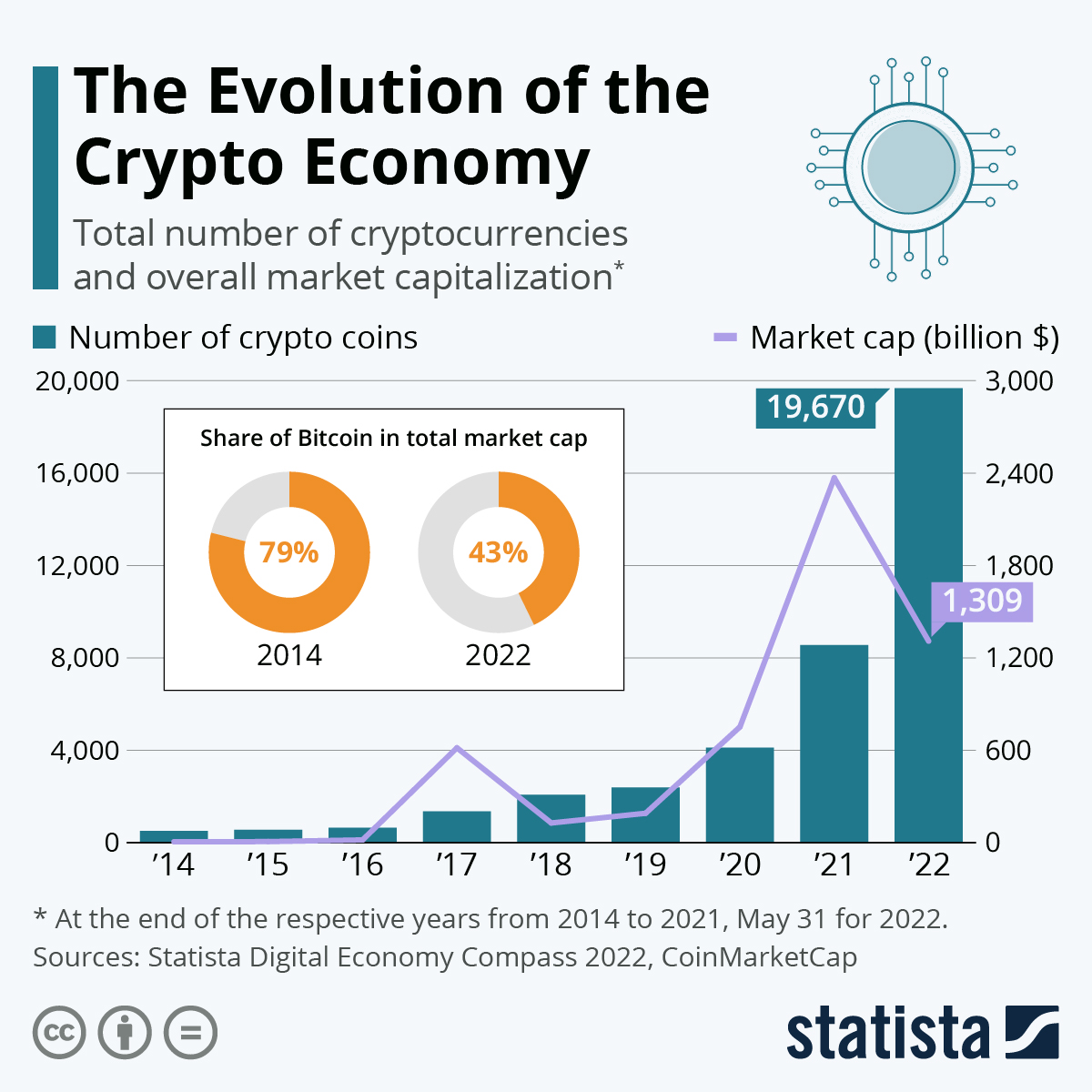
Blockchain news today moves faster than traditional tech cycles. Unlike earlier years, innovation no longer comes only from startups. Large financial institutions, governments, and global corporations are now active participants.
What “Latest Blockchain News” Really Means
When people search for latest blockchain news, they’re usually looking for:
- Market-moving protocol updates
- Shifts in crypto regulation
- New use cases beyond trading
- Signals of mainstream adoption
It’s not just about token prices. It’s about infrastructure, trust, and long-term viability.
Why Blockchain Developments Matter Globally
Blockchain operates without borders. A policy change in one country can affect markets worldwide within minutes. That interconnected reality makes blockchain news more impactful—and sometimes more volatile—than traditional tech reporting.
Latest Blockchain News Driving Market Sentiment
Market psychology plays a massive role in blockchain. News doesn’t just inform—it moves billions of dollars.
Price Volatility and On-Chain Signals
Recent trends show that traders are paying closer attention to:
- On-chain transaction volume
- Wallet activity from long-term holders
- Network usage metrics rather than hype
This shift suggests a maturing market that values data over speculation, even if emotion still drives short-term swings.
Institutional Influence on Blockchain Markets
Large funds and banks entering blockchain ecosystems have changed the tone. When institutions move, markets listen. This is one reason latest blockchain news now focuses heavily on custody solutions, compliance tools, and regulated exchanges.
Regulatory Developments Reshaping Blockchain
Regulation used to be blockchain’s biggest fear. Now, it’s becoming part of its foundation.
Global Regulatory Trends
Governments are no longer asking whether blockchain will exist. They’re asking how it should operate. Current regulatory patterns include:
- Clearer definitions for digital assets
- Licensing frameworks for exchanges
- Stablecoin oversight to protect consumers
While stricter rules can feel limiting, they also reduce uncertainty—something long-term investors welcome.
How Regulation Impacts Innovation
That said, regulation is a double-edged sword. Overregulation can push innovation offshore. Balanced policy, on the other hand, encourages enterprise adoption and consumer trust.
DeFi, NFTs, and Web3: Where Innovation Is Concentrated
The most creative energy in blockchain still lives at the edges.
DeFi’s Quiet Evolution
Decentralized finance isn’t gone—it’s growing up. Instead of explosive yields, today’s DeFi focuses on:
- Sustainable lending models
- Improved liquidity mechanisms
- Risk management tools
This quieter phase is healthier, even if it generates fewer headlines.
NFTs Beyond Digital Art
NFTs have moved far past profile pictures. Current use cases include:
- Music royalties
- Gaming assets
- Event ticketing
- Digital identity verification
These practical applications dominate recent latest blockchain news, signaling a shift from speculation to utility.
Web3 and the Ownership Economy
Web3 promises user ownership, but the road is messy. Scaling issues, user experience gaps, and security concerns remain. Still, the idea of owning your data continues to attract builders and investors alike.
Enterprise and Government Blockchain Adoption
This is where blockchain becomes less theoretical and more tangible.
Corporate Use Cases Gaining Traction
Enterprises now use blockchain for:
- Supply chain tracking
- Fraud prevention
- Cross-border payments
- Data integrity verification
These implementations rarely make viral headlines, yet they represent some of the strongest signals of long-term adoption.
Government-Led Blockchain Initiatives
Governments are experimenting cautiously. Use cases include land registries, digital IDs, and transparent voting systems. While progress is slow, it’s steady—and often underreported.
Security, Scalability, and Environmental Concerns
Every technological leap brings trade-offs.
Security Challenges in Modern Blockchains
Smart contract exploits remain a serious issue. Even mature protocols face risks from:
- Coding errors
- Governance attacks
- Poor key management
Security audits and formal verification are becoming standard, not optional.
Scalability Solutions Making Headlines
Layer-2 networks, rollups, and sharding dominate current latest blockchain news because scalability determines whether blockchain can serve millions—or billions—of users.
Environmental Impact: Progress and Perception
Energy consumption remains controversial. However, proof-of-stake systems have significantly reduced blockchain’s carbon footprint. The conversation is shifting from criticism to measurable improvement.
Key Figures Shaping Blockchain Innovation
Blockchain isn’t just code—it’s people.
Personal Background and Career Journeys
Many blockchain leaders didn’t start in crypto. They came from finance, software engineering, or academia. Their diverse backgrounds contribute to the ecosystem’s rapid experimentation.
Achievements and Industry Influence
Notable contributions often include:
- Founding open-source protocols
- Publishing influential research
- Building developer communities
Financial Insights and Net Worth Context
While exact figures vary, successful blockchain founders often accumulate wealth through token holdings rather than traditional salaries. This alignment between builders and networks is both powerful and risky.
How to Interpret Blockchain News Without the Hype
Staying informed doesn’t mean reacting to everything.
Separating Signal From Noise
Ask simple questions:
- Does this solve a real problem?
- Is adoption growing organically?
- Are incentives sustainable?
If the answer is unclear, caution is wise.
Building a Healthy Information Diet
Rely on multiple sources. Follow developers, not just influencers. And remember—true innovation often looks boring at first.
FAQ
What is meant by latest blockchain news?
It refers to current developments in blockchain technology, including market trends, regulation, adoption, and innovation updates.
Why does blockchain news affect crypto prices so strongly?
Because blockchain markets are sentiment-driven, news can rapidly influence investor confidence and trading behavior.
Is blockchain still relevant outside cryptocurrency?
Absolutely. Blockchain is increasingly used in enterprise systems, supply chains, identity management, and data security.
How often should I follow blockchain updates?
Weekly is enough for most people. Daily tracking is useful for traders or professionals working in the space.
Are regulations helping or hurting blockchain growth?
Both. Clear regulation reduces risk but can slow experimentation if applied too aggressively.
What role does Web3 play in blockchain’s future?
Web3 focuses on user ownership and decentralization, which aligns closely with blockchain’s core philosophy.
Is blockchain environmentally sustainable now?
Newer consensus models have significantly reduced energy use, though public perception still lags behind reality.
Can blockchain adoption fail?
Any technology can fail, but blockchain’s growing institutional and government use suggests long-term relevance.
Conclusion
The blockchain space no longer lives on the fringe. It’s integrating—slowly, imperfectly, and sometimes painfully—into the real world. Following the latest blockchain news isn’t about chasing hype; it’s about understanding how digital trust, ownership, and value exchange are being rebuilt from the ground up.
Some developments will disappoint. Others will surprise you. But together, they tell a story of a technology maturing in public view. If you stay curious, patient, and informed, blockchain news becomes less confusing—and far more meaningful.